
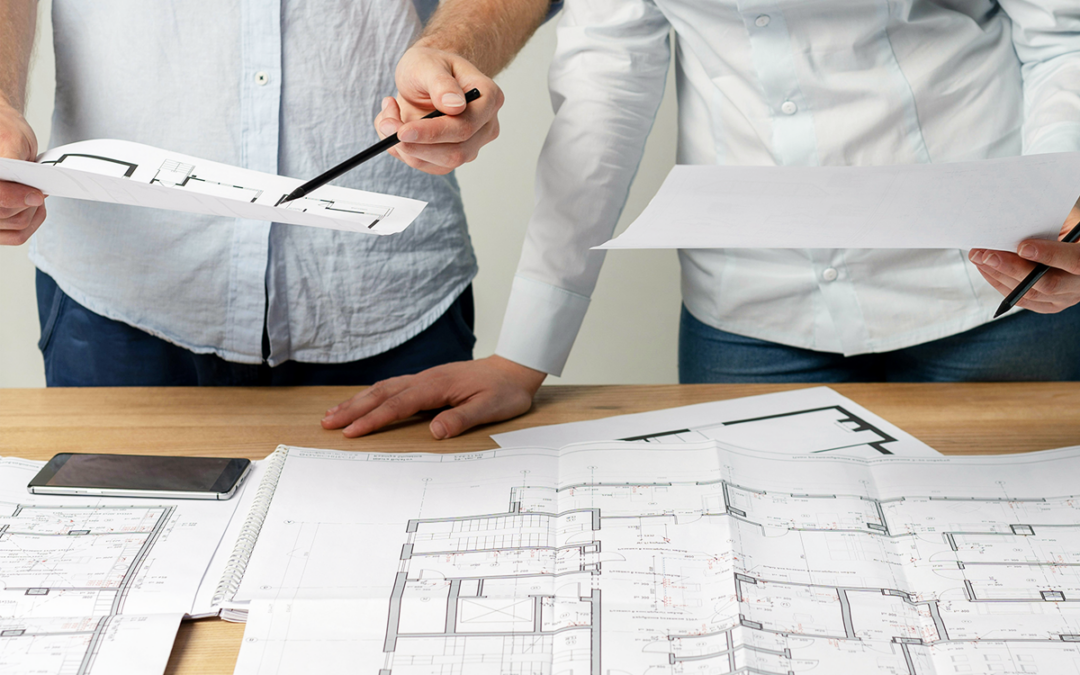
What does an Architect actually do? Much more than you might think.
When most people picture an architect, they imagine someone loosely sketching out a building plan on a drafting table. In reality, the job is far more complex than that, and after more than thirty years of practice, I’ve come to think of architects as wearing at least five hats on any given project — sometimes all on the same day.
Puzzle Solver
Every project begins as a puzzle with too many pieces and not quite enough box. A sloped lot, a challenging budget, a tight zoning setback, a client who wants a sunroom and a three-car garage on a quarter acre — these constraints rarely cooperate with one another. An architect’s first job is to find the arrangement of spaces that satisfies the most requirements with the fewest compromises. This is rarely glamorous work. It happens in the quiet hours of stacking floor plans, testing orientations, and asking “what if” until the pieces finally interlock into a working plan.
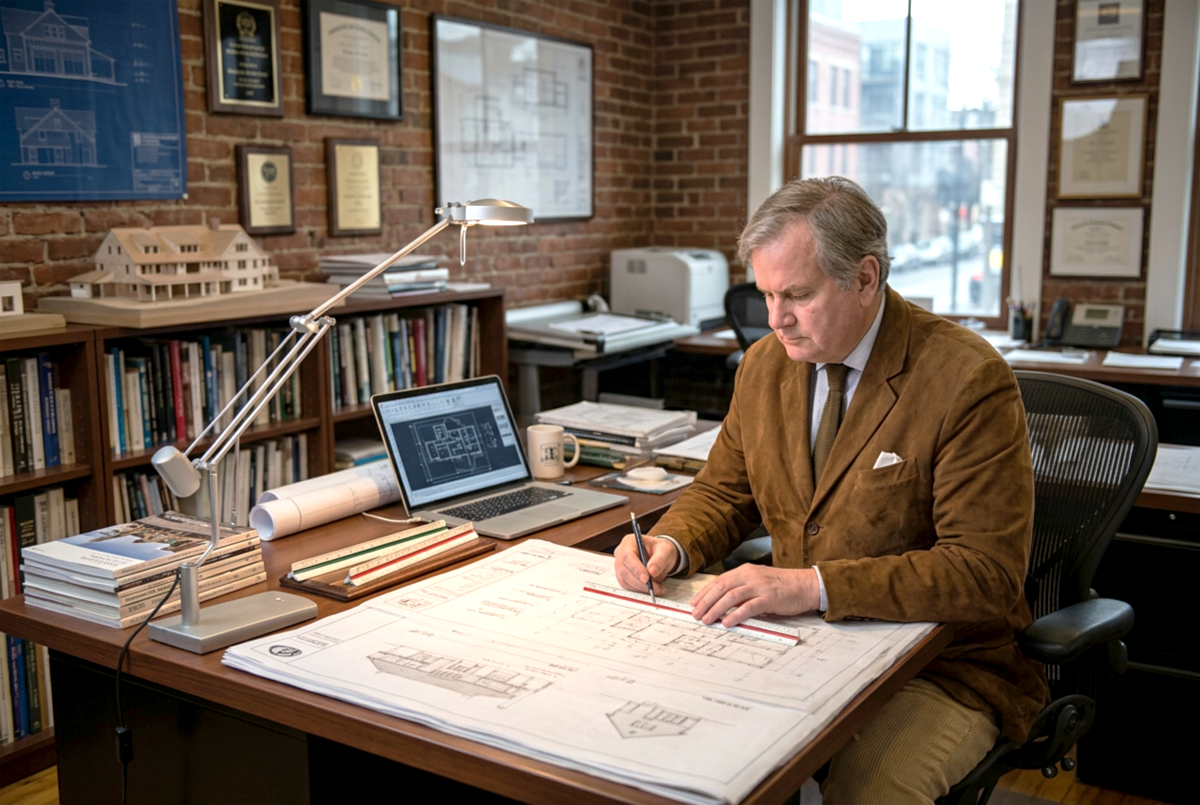
An Architect Problem Solving
Historian
Particularly here in New England, where buildings often predate the country itself, an architect must also be a historian. New buildings near a Colonial Saltbox or a Shingle Style cottage needs to understand the language those buildings speak — the correct pitch of a roof, the rhythm of windows, the right proportion of a porch — before it can complement them appropriately. This isn’t about copying the past; it’s about understanding the precedents well enough to design in harmony with them.
Artist
Once the building concept has a workable shape, the artist takes over. Proportion, light, materiality, and rhythm transform a functional layout into a place people actually want to be in. This is where an architect studies how morning sun will fall across a kitchen island, or how a roofline should echo the gable of the house next door without simply copying it. Good design becomes almost invisible when it’s working — you don’t notice the ceiling height was raised eight inches until you stand in the room and feel the difference in proportion.
The Engineer
History and Beauty mean little if the roof leaks or the floor sags. An architect must understand structure, drainage, insulation, and code compliance well enough to coordinate with structural, mechanical, and civil engineers — and to catch the conflicts before they become expensive surprises in the field. This is the hat that keeps a beautiful idea standing up through fifty years of Nor’easters. The architect also must understand the dangers of galvanic action, the potential of geothermal heat pumps and the dangers of dewpoints within the wall design.
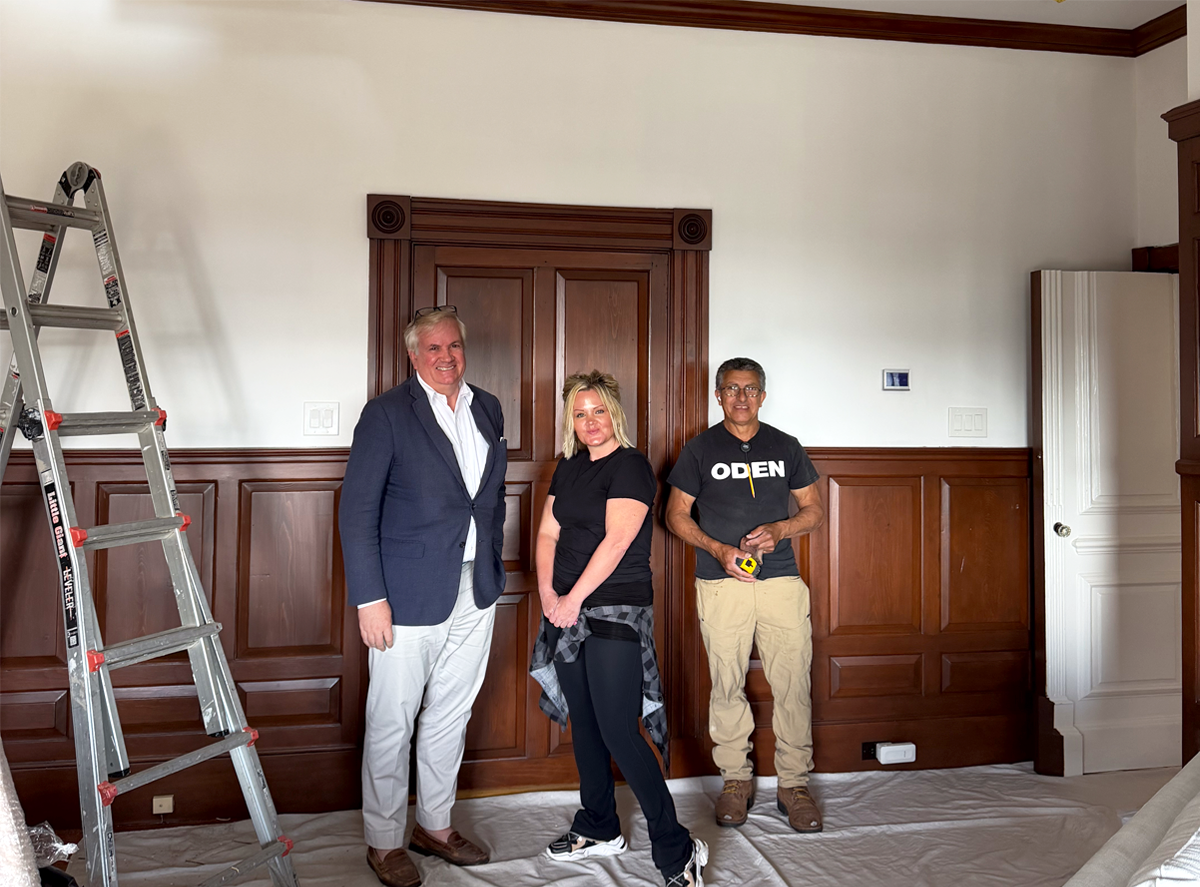
Ross Cann & Contractors Working on a Private Residence
Air Traffic Controller
Perhaps the least visible but most essential role is coordination. A single project will often involve a structural engineer, a landscape designer, a contractor, a historic commission, a building inspector, and the client’s own evolving desires, all moving in different directions at once. The architect is the one tasked with tracking all the flight paths, making sure nothing collides, and keeping everyone on schedule and in harmony.
Value Creator
Underneath all of this is a simple truth: good design adds value. A well-designed home is more comfortable to live in, cheaper to maintain, and worth more when it’s time to sell. The fees paid to an architect are among the most valuable line items on a project and are often the thing most responsible for whether everything works and if the money is spent wisely.

Architectural Team Working On Site
Because architects have to play so many roles (and more), it is not surprising that they often have seven years of higher education, go through three years of professional internship and often take many more years to pass the six separate architectural exams (if they are even able to pass them all) before becoming licensed architects. When clients think they can design their projects themselves, they frequently discover they lack the necessary skills to make a project successful. Trying to undertake this work without the decade of necessary training is sort of like trying to do a heart transplant in your garage at home and is not recommended. Are you looking to bring some of this thinking to your own New England project? Please reach out to the award-winning team at A4 Architecture so we can discuss your project together.
Ross Cann has been a licensed architect since 1993. He studied Molecular Biophysics at Yale and holds honors degrees in Architectural History and Design from Cambridge, and Columbia Universities. He is also a LEED Accredited Professional and is the Founding Principal of A4 Architecture & Planning headquartered in Newport, Rhode Island.