
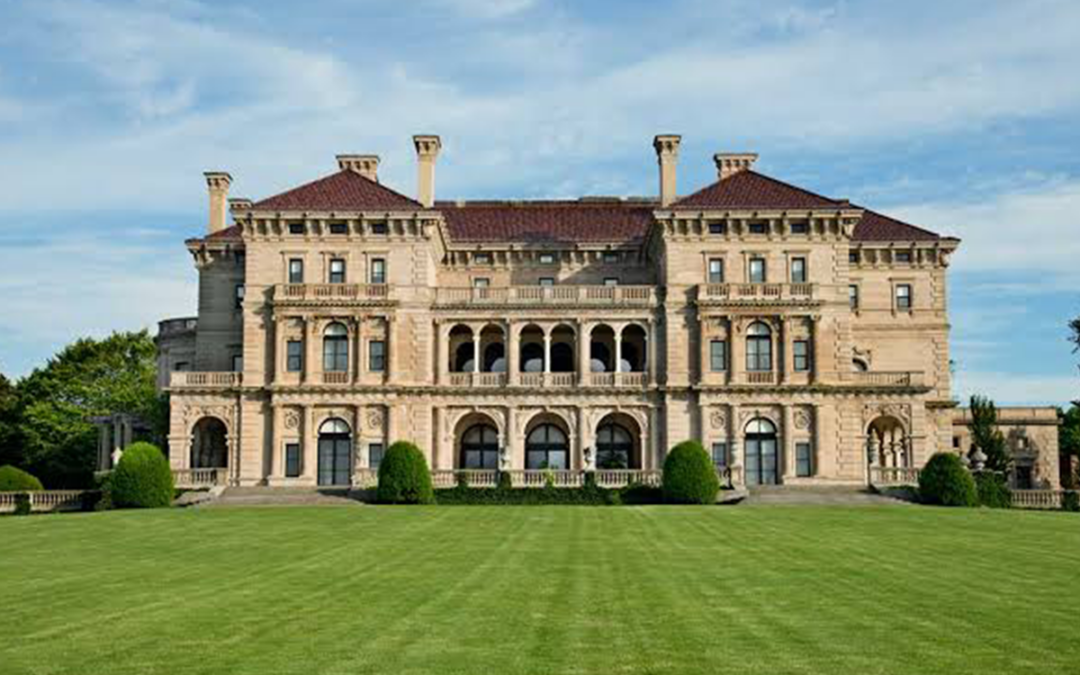
(The Breakers, Richard Morris Hunt – Site of multiple A4 Architecture projects)
Proposed Section 106 Overhaul Could Reshape Preservation
For nearly sixty years, Section 106 of the National Historic Preservation Act (NHPA) has required federal agencies to weigh how their projects affect historic properties before moving forward, thereby giving state offices, and even ordinary residents a formal input into the approvals. That framework is now facing its most significant rewrite in decades.
In July 2026, the Advisory Council on Historic Preservation (ACHP) voted to move forward with a Notice of Proposed Rulemaking regarding revisions to the regulations implementing Section 106, known as 36 CFR Part 800. The vote was contentious, but passed 16 to 5, with two abstentions, despite the ACHP having adopted a resolution just a month earlier calling for a more deliberative, 30-day process.

(Vinland , Peabody & Stearns 1883 – Site of multiple A4 Architecture projects)
The substance of the draft is drawing sharp criticism from preservation groups. According to reporting on the draft, it would make public comment optional rather than mandatory, revise what counts as an “adverse effect” on a property, and narrow the definition of “historic property” to sites with tangible human alterations. Legal analysts have noted the proposal would also replace the current step-by-step consultation process with a single agency-prepared “Section 106 Report,” reframe the entire process as merely procedural, and let federal agencies unilaterally shift regulatory deadlines. The National Trust for Historic Preservation has been blunt about its concerns, warning the changes would eliminate public participation in federal preservation decisions and strip protections from significant landscapes.
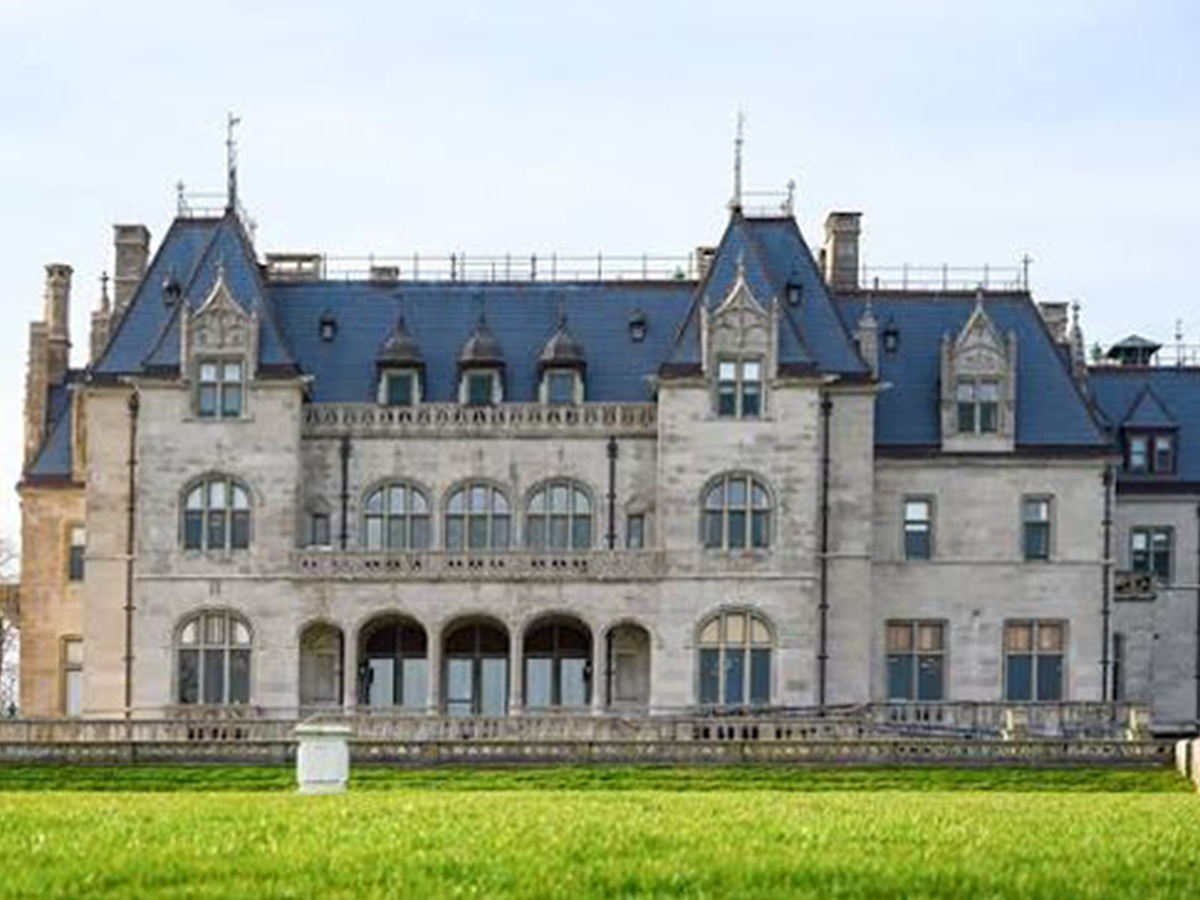
(Ochre Court, Richard Morris hunt 1892 – Site of multiple A4 Architecture projects
Why residents of Newport and other historic communities should pay attention
Rhode Island’s preservation advocates have already weighed in directly. Preserve Rhode Island noted that Section 106 currently touches roughly 120,000 federal undertakings a year and governs treatment of more than a million historic properties nationwide, whether formally listed or simply eligible for listing, and pointed out that the state’s dense concentration of Colonial, maritime, early industrial, and Indigenous heritage sites makes it especially exposed to any weakening of the process.
Newport is a case study in why that matters. The city’s downtown was among the first in the country to adopt local historic district protections, and it sits alongside a community rich in with National Historic Landmarks (NHLs) and other Historic Register properties, historic roadways, and waterfront infrastructure. For example, Bellevue Avenue itself is a nationally listed historic roadway subject to special protections in state transportation agreements. Any federally funded road, bridge, flood-resilience, or utility project touching that fabric currently goes through Section 106 review, which is a process that gives neighbors, preservation commissions, and the state historic preservation offices a documented say before shovels hit the ground.
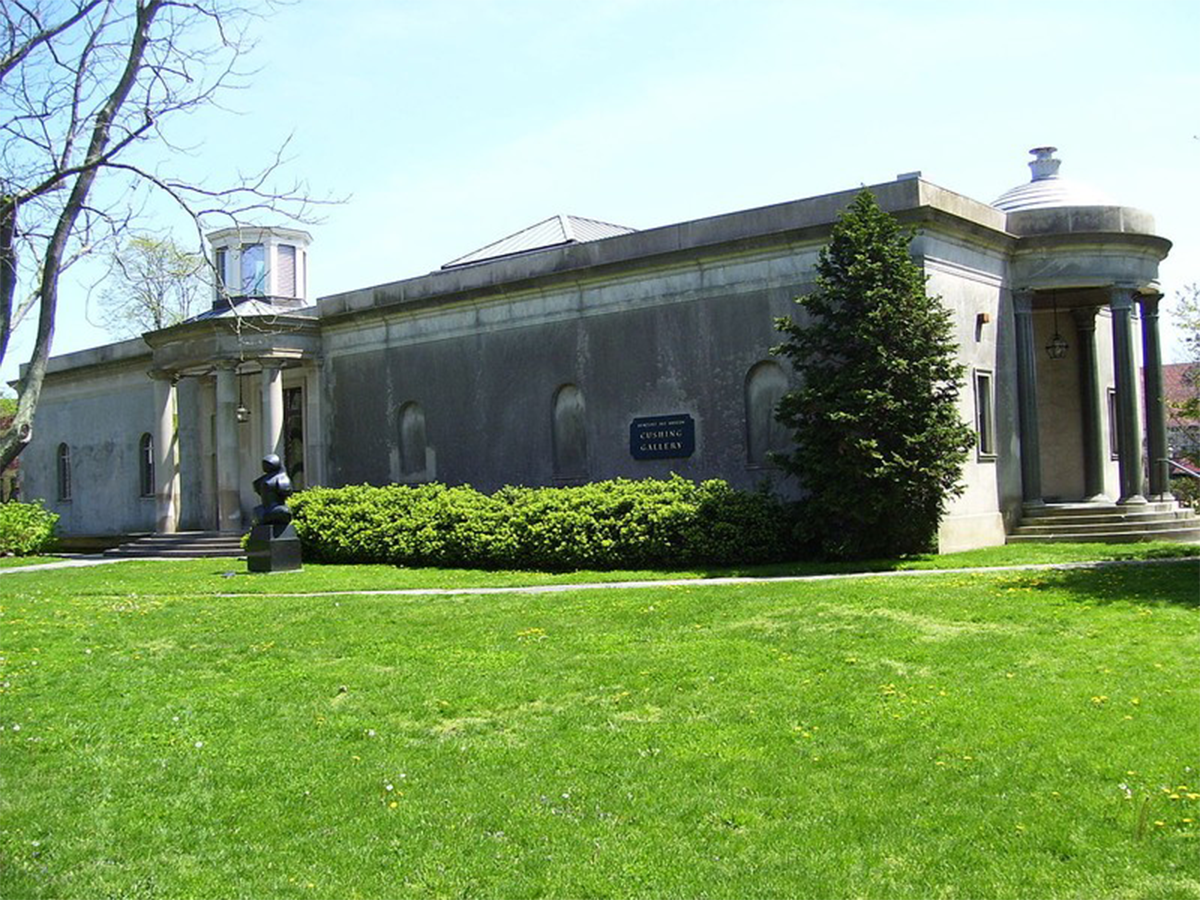
Cushing Gallery, Delano & Aldrich 1920 – Renovation designed by A4 Architecture
If public comment becomes optional and “adverse effect” is defined more narrowly, projects near Newport’s harbor, historic wharves, and Gilded Age districts could move forward with far less local input and a lower bar for what counts as harm. A formal public comment period is expected once the rule is published in the Federal Register — a moment when Newport residents and preservation groups will have a limited, but real, window to weigh in. Newport is an example of an economic that is thriving financially because it preserved its historic architecture that could easily have been lost in earlier eras of poverty.
A4 Architecture has worked to preserve or adaptively reuse dozens of historic properties in Newport and throughout New England over its more than twenty-year history. If you would like your historic property to be designed by an award-winning team, please reach out to the firm to discuss your goals and aspirations.
Ross Sinclair Cann (AIA, LEED AP) is an historian, educator, author and practicing architect living and working in Newport for A4 Architecture and is founding Chairman of the Newport Architectural Forum. He holds architectural and history degrees from Yale, Cambridge, and Columbia Universities and teaches architectural history in the Circle of Scholars program at Salve Regina University.