

Private Residence Renovation (A4 Architecture)
Every construction project begins with a series of choices — and none carries more lasting consequence than the decision between quality and cost-cutting. The temptation to save money through cheaper materials or bargain-priced components is understandable, but the true cost of that shortcut is almost always paid later, and often paid very dearly. Selecting high-quality products from the outset is not an expense; it is an investment that returns dividends across the entire life of a building.
Built to Last: The Case for Longevity
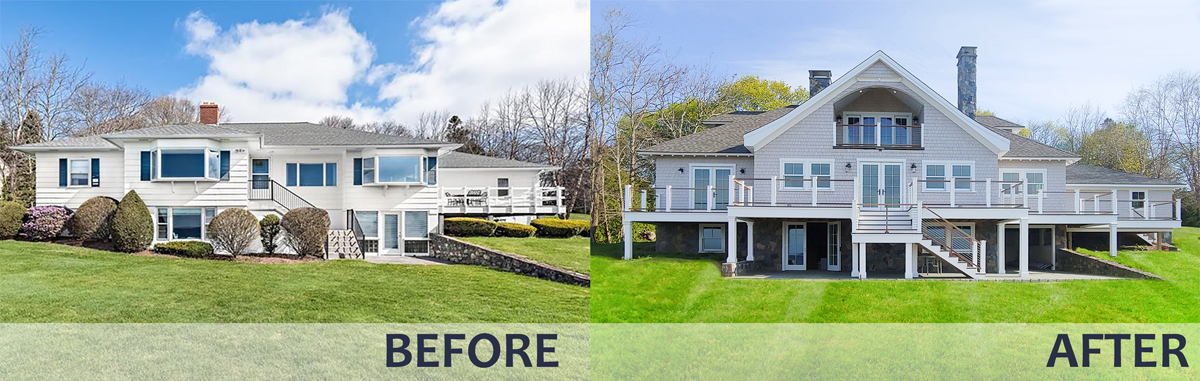
Quality materials are engineered to endure. Premium roofing, structural framing, windows, and cladding are manufactured to tighter tolerances, tested under harsher conditions, and backed by longer warranties — because they earn them. A roof installed with superior underlayment and flashing may serve a building for fifty years; its budget counterpart may begin failing after fifteen. When the true lifespan of a material is measured against its cost, premium products consistently deliver a lower cost per year of service. Longevity is not an abstract virtue — it is a calculable financial advantage.
Private Residence Renovation (A4 Architecture)
Energy Efficiency: The Ongoing Dividend
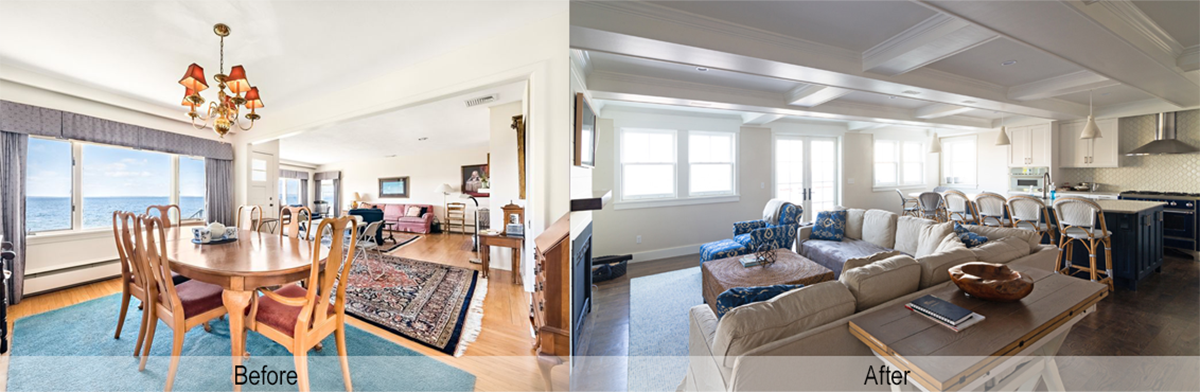
High-performance windows, insulation, HVAC systems, and building envelopes do more than shelter occupants. They actively reduce the energy required to heat, cool, and light a building year after year. Quality products meet or exceed modern energy codes, dramatically cutting utility costs over time. In an era of rising energy prices and growing environmental accountability, a well-insulated, thermally efficient building is not simply a comfort — it is a competitive asset. The monthly savings accumulate into figures that are far greater than the small premium paid for better materials.
Private Residence Renovation (A4 Architecture)
Function and Beauty: The Experience of Quality
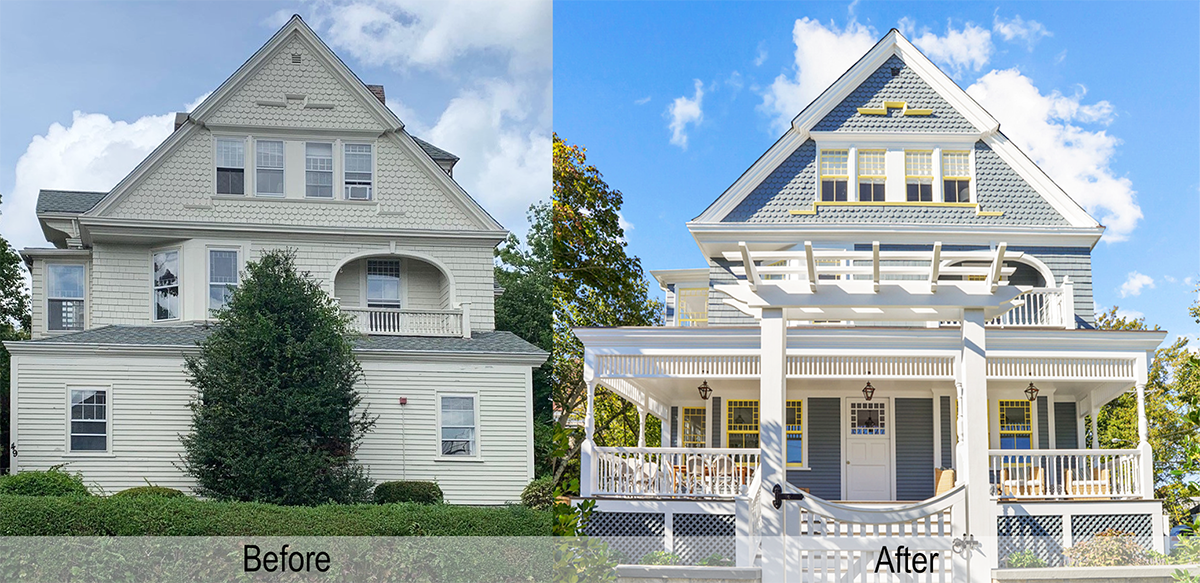
Beyond durability and efficiency, quality products simply work better and look better. Premium hardware operates smoothly for decades. Superior flooring resists wear while retaining its character. Thoughtfully selected fixtures and finishes elevate a space from merely habitable to genuinely inspiring. Occupants feel the difference, even when they cannot name it. A building that functions flawlessly and presents itself beautifully communicates care, craftsmanship, and permanence — qualities that resonate with everyone who enters.
The Hidden Cost of Cutting Corners
The dangers of compromising on quality are real, predictable, and expensive. Inferior materials are often harder to install correctly, contributing to construction delays that cascade into cost overruns. When substandard components fail prematurely — a cracked facade, a leaking window assembly, a failing mechanical system — the repair costs dwarf what quality installation would have required. Worse, sophisticated buyers and tenants recognize compromised construction. The reduced ceiling heights, the hollow-sounding doors, the misaligned finishes — these details signal a building that was built to a budget rather than to a standard. The result is diminished rental rates, lower sale prices, and a damaged reputation that follows a developer across future projects.
Private Residence Renovation (A4 Architecture)
Making the Intelligent Choice
Quality is not the enemy of value — in fact it is its ally. Builders, developers, and owners who commit to superior materials from the start get buildings that last longer, cost less to operate, perform better, and command higher returns in the market. In construction, as in most things, you rarely regret buying the excellent quality. And it is important to remember there is a major difference between something being of high quality and being expensive. A knowledgeable architect will help you select the best products, using their experience.
When the budget for quality and cash fund do not match, there are multiple approaches to deal with this. The first and best is to use outstanding design to make the space more efficient and therefor build less of it. This will save not just on construction, but on taxes, maintenance and upkeep. The second approach is to phase the project to build what you can at a good quality and build more later when additional funds become available. The last way is to look for low cost HELOC and construction loans to bridge the gap between the cost and cash in hand. Few investments appreciate as much or as dependably as well-designed and constructed buildings and so this is really an investment to achieve future financial gains. Whatever approach you choose always remember the famous adage “The bitterness of poor quality will last infinitely longer than the sweetness of low price.”
If you would like to see your New England project designed beautifully with high quality materials and specifications, please reach out to the award-winning team at A4 Architecture to assist you in achieving your building goals.
Ross Sinclair Cann, AIA is a historian, educator, and practicing architect living and Founding Principal of A4 Architecture in Newport, RI. He holds honors architectural degrees from Yale, Cambridge, and Columbia Universities and is a member of numerous committees, commissions, and boards. He has been a licensed and award-winning architect for more than 30 years. His firm, A4 Architecture, has been voted as “Best Newport County Architectural Firm” three times by the voters of Newport Life Magazine.